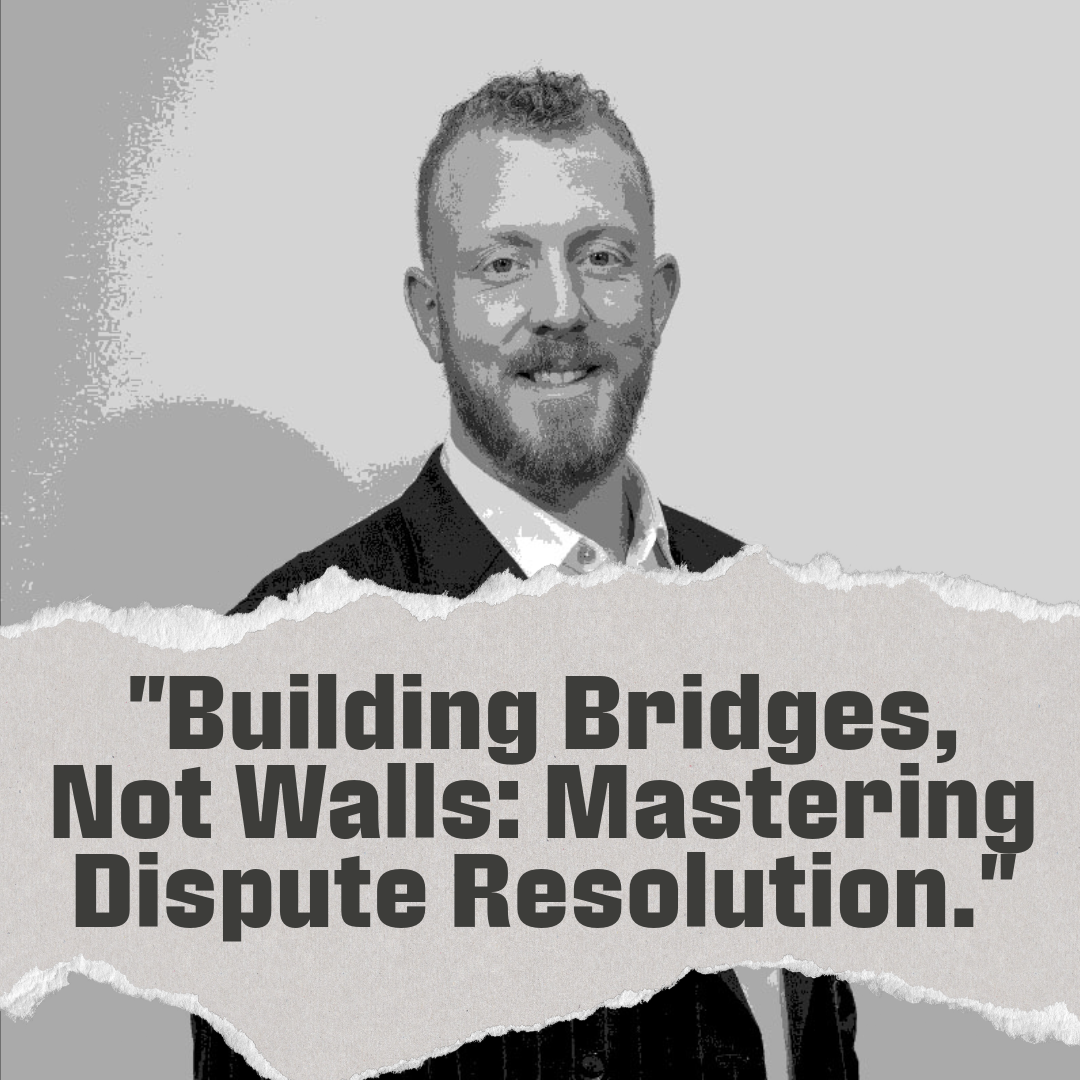
By embracing open communication, active listening, and a solutions-oriented mindset, individuals can transform conflicts into opportunities for growth and collaboration. From identifying underlying interests to exploring creative solutions, mastering conflict resolution techniques empowers individuals to navigate challenging situations with confidence and grace.
Discover how implementing practical strategies and proven tactics can not only resolve disputes efficiently but also strengthen relationships and foster a culture of respect and understanding. Join us on a journey towards mastering conflict resolution and creating a harmonious environment where conflicts are viewed as opportunities for growth rather than obstacles.
Understanding Conflict and Its Impact
Conflict is an inherent aspect of human interactions, emerging from differences in values, beliefs, needs, and interests. At its core, conflict can be understood as a disagreement that manifests between two or more parties when their goals or desires clash. It can arise in various contexts, from personal relationships to workplace dynamics and community engagements. The impact of conflict can be profound, influencing emotional well-being, productivity, and overall relationships among individuals and groups. When managed effectively, conflict can lead to positive outcomes, fostering understanding and collaboration; however, if left unresolved, it can escalate into hostility and dysfunction.
The effects of unresolved conflict can ripple through various layers of relationships. For instance, in a workplace environment, prolonged disputes can diminish morale, reduce teamwork, and enhance stress levels among employees. This creates a toxic atmosphere that stifles creativity and productivity. On a personal level, unresolved conflicts can lead to resentment, alienation, and a breakdown of trust between individuals. Thus, understanding the nuances of conflict and its potential outcomes is critical for anyone looking to foster healthier interactions and environments.
Recognizing the signs of conflict early can significantly mitigate its negative impact. By being aware of the emotional cues and behavioral changes in oneself and others, individuals can intervene before a disagreement escalates. Building awareness around these dynamics not only helps in addressing immediate issues but also contributes to a culture of openness and proactive communication. In this way, understanding conflict becomes the first step towards mastering the skills needed for effective resolution.
Common Sources of Conflict in Various Settings
Conflict can stem from various sources, each unique to the environment in which it occurs. In personal relationships, differing communication styles, unmet expectations, and divergent life goals often lead to disagreements. For instance, a partner may feel neglected if their needs for emotional support are not met, while the other may be unaware of these expectations. Such misunderstandings can spiral into larger conflicts if not addressed promptly and effectively.
In professional settings, conflicts frequently arise from competition for resources, differing work styles, or misaligned objectives. Employees may feel threatened by the perceived favoritism in promotions or project assignments, leading to disputes that can damage team cohesion. Additionally, organizational changes such as restructuring or shifts in leadership can create uncertainty and fear, further fueling potential conflicts among staff members. Acknowledging these sources is essential for developing strategies to navigate and resolve them.
Community interactions also present unique conflict scenarios, often rooted in cultural differences, socio-economic disparities, or differing opinions on local policies. When community members feel their voices are not heard or their concerns are overlooked, conflicts can arise that challenge the fabric of social cohesion. Addressing these conflicts requires a nuanced understanding of the underlying issues at play, along with a commitment to fostering inclusive dialogue and collaboration.
The Importance of Effective Conflict Resolution
Effective conflict resolution is crucial for maintaining healthy relationships and fostering a collaborative environment. When individuals are equipped with the skills to navigate disagreements constructively, they are more likely to reach mutually beneficial outcomes. This process often leads to stronger bonds among individuals, as resolving conflict can enhance understanding and empathy. As parties work through their differences, they gain insights into each other’s perspectives, which can ultimately lead to improved cooperation and teamwork.
Moreover, effective conflict resolution can significantly reduce stress and anxiety associated with unresolved disagreements. Individuals who feel empowered to address conflicts openly are less likely to harbor resentment or frustration, which can negatively impact mental and emotional well-being. This proactive approach not only contributes to a healthier atmosphere but also promotes personal growth and resilience. By developing conflict resolution skills, individuals can become more adept at managing their emotions and responses, leading to greater overall satisfaction in their relationships.
In organizational contexts, a culture that embraces effective conflict resolution can enhance productivity and innovation. When employees feel safe to voice their concerns and engage in healthy debates, it fosters a climate of creativity and critical thinking. Organizations that prioritize conflict resolution training and encourage open communication are better positioned to adapt to challenges and thrive in competitive environments. Ultimately, the importance of effective conflict resolution extends beyond mere problem-solving; it encompasses the broader goal of nurturing relationships and fostering a culture of respect and collaboration.
Strategies for Managing Conflict Constructively
Managing conflict constructively involves a variety of strategies that promote open communication and collaborative problem-solving. One fundamental approach is to focus on interests rather than positions. When parties articulate their underlying needs and concerns, rather than rigidly adhering to specific demands, it opens the door for creative solutions that satisfy both sides. This interest-based approach encourages a shift from adversarial stances to collaborative discussions, leading to more sustainable resolutions.
Another effective strategy is to establish ground rules for discussions. Setting guidelines for respectful communication can help create a safe environment where all parties feel heard and valued. These rules might include avoiding interrupting one another, refraining from personal attacks, and using "I" statements to express feelings instead of assigning blame. By cultivating a respectful dialogue, individuals are more likely to engage constructively even in the face of disagreement.
Additionally, taking a break during heightened emotions can be a powerful technique for managing conflict. When discussions become heated, stepping away for a moment allows individuals to cool down and reflect on their feelings and responses. This pause can prevent escalation and enable parties to return to the conversation with a clearer mindset. Constructively managing conflict requires a combination of strategies that prioritize understanding, respect, and collaboration, ultimately paving the way for positive outcomes.
Communication Techniques for Resolving Disputes
Effective communication is at the heart of successful conflict resolution. One vital technique is active listening, which involves fully concentrating on the speaker, understanding their message, and responding thoughtfully. By demonstrating genuine interest in the other person’s perspective, individuals can foster an environment of trust and understanding. Active listening goes beyond just hearing words; it requires paying attention to non-verbal cues and emotions, thereby enhancing the quality of the dialogue.
Another important communication technique is the use of "I" statements instead of "you" statements. For example, expressing feelings through phrases like "I feel frustrated when deadlines are missed" rather than "You never meet deadlines" can significantly reduce defensiveness. This approach focuses on the speaker’s experience, making it less likely for the other party to feel attacked. When individuals adopt this method, it encourages open dialogue and promotes empathy, ultimately facilitating resolution.
Furthermore, summarizing and clarifying points during discussions can enhance mutual understanding. Regularly paraphrasing what the other party has said not only demonstrates active engagement but also ensures that both parties are on the same page. This technique helps prevent misunderstandings and allows for clarification of any points of confusion. By employing these communication techniques, individuals can navigate disputes more effectively, leading to constructive outcomes and strengthened relationships.
Building Trust and Collaboration in Conflict Resolution
Trust is a cornerstone of effective conflict resolution, as it enables open communication and collaboration. Building trust requires consistency, honesty, and vulnerability from all parties involved. When individuals demonstrate reliability and follow through on their commitments, it fosters an environment where others feel safe to express their concerns and fears. This foundation of trust is essential for navigating difficult conversations and finding common ground amidst disagreements.
Collaboration is equally important in the conflict resolution process. When approaching a dispute as a joint problem-solving effort rather than a win-lose scenario, parties can work together to identify solutions that satisfy everyone’s needs. Techniques such as brainstorming, where all ideas are welcomed without immediate judgment, can unleash creativity and lead to innovative resolutions. Engaging all parties in the process empowers them to take ownership of the outcomes, strengthening their commitment to the agreed-upon solutions.
Additionally, acknowledging and valuing each other’s contributions can significantly enhance the collaborative spirit. When individuals feel their input is appreciated and considered, it fosters a sense of belonging and respect. Celebrating small wins throughout the resolution process can also bolster morale and reinforce the collaborative efforts. By prioritizing trust and collaboration, individuals can transform conflict into an opportunity for collective growth and understanding.
Implementing Mediation and Negotiation Skills
Mediation is a powerful tool in the conflict resolution arsenal, often serving as a neutral ground where parties can discuss their issues with the help of an impartial third party. Mediators facilitate communication, helping parties clarify their positions and explore underlying interests. This process encourages constructive dialogue and can lead to mutually acceptable solutions. Effective mediation relies on the mediator’s skills in active listening, neutrality, and the ability to guide discussions in a non-confrontational manner.
Negotiation skills are equally important in resolving disputes. Successful negotiation involves understanding the needs and motivations of all parties and working towards a compromise that satisfies those needs. Techniques such as preparing thoroughly before discussions, identifying areas of agreement, and being open to alternative solutions are crucial in achieving favorable outcomes. Negotiation is not about winning or losing; it is about finding a solution that acknowledges everyone’s interests and fosters a sense of cooperation.
Furthermore, practicing mediation and negotiation skills can significantly enhance conflict resolution capabilities. Workshops, role-playing exercises, and real-life simulations can provide individuals with the tools they need to navigate disputes more effectively. By honing these skills, individuals become more adept at managing conflicts in various settings, from personal relationships to professional environments. Ultimately, implementing mediation and negotiation skills empowers individuals to transform conflicts into opportunities for collaboration and growth.
Conflict Resolution Training and Resources
Investing in conflict resolution training is a proactive step that organizations and individuals can take to enhance their dispute resolution skills. Various training programs focus on developing communication, negotiation, and mediation skills, equipping participants with practical tools to manage conflicts effectively. These programs often include interactive components such as role-playing exercises and group discussions, allowing participants to practice their skills in a supportive environment.
In addition to formal training, there are numerous resources available that provide valuable insights into conflict resolution techniques. Books, articles, and online courses offer diverse perspectives and strategies for managing disputes. For instance, literature on emotional intelligence emphasizes the importance of self-awareness and empathy in conflict situations, while resources focused on collaborative problem-solving provide frameworks for approaching disagreements constructively.
Moreover, organizations can create a culture of continuous learning by encouraging employees to share their experiences and insights related to conflict resolution. Establishing peer support networks or discussion groups can foster an environment where individuals can learn from one another and refine their skills. By prioritizing conflict resolution training and leveraging available resources, individuals and organizations can develop a robust toolkit for navigating conflicts effectively.
Case Studies in Successful Conflict Resolution
Examining case studies of successful conflict resolution can provide valuable lessons and insights into effective strategies. One noteworthy example is the resolution of labor disputes through collaborative negotiation processes. In many instances, labor unions and management have come together to address concerns regarding wages, working conditions, and employee rights. By engaging in open dialogue and focusing on mutual interests, both parties have been able to reach agreements that benefit employees while ensuring organizational sustainability.
Another compelling case is the resolution of community conflicts surrounding land use or environmental concerns. In various instances, community members have come together to engage in facilitated discussions with developers and local government representatives. By emphasizing transparency, actively listening to community concerns, and exploring alternative development options, stakeholders have successfully navigated disputes that could have otherwise escalated into divisive conflicts. These collaborative efforts not only led to effective resolutions but also strengthened community ties and trust among participants.
Lastly, international conflict resolution efforts, such as peace negotiations between conflicting nations, highlight the complexities and potential for constructive outcomes. For example, the Good Friday Agreement in Northern Ireland serves as a powerful case study in resolving longstanding sectarian conflict. Through a process that involved dialogue, collaboration, and compromise, parties were able to address historical grievances and establish a framework for cooperation. Such cases underscore the importance of empathy, understanding, and commitment to finding common ground in even the most challenging conflict situations.
Conclusion: Embracing Conflict as an Opportunity for Growth
Embracing conflict as an opportunity for growth represents a fundamental shift in perspective that can transform how individuals and organizations approach disagreements. Rather than viewing conflicts solely as obstacles, recognizing their potential to foster dialogue, understanding, and collaboration can lead to positive outcomes. This mindset encourages individuals to engage in constructive conversations that prioritize empathy and mutual respect.
By mastering effective conflict resolution strategies, individuals can develop essential skills that enhance their personal and professional relationships. The ability to navigate disputes with confidence and grace not only strengthens connections but also contributes to a culture of openness and cooperation. As individuals learn to embrace conflict as a natural part of human interaction, they become better equipped to handle challenges and create environments where diverse perspectives are valued and heard.
Ultimately, the journey towards mastering conflict resolution is ongoing, requiring practice, reflection, and a commitment to continuous learning. By investing in communication skills, building trust, and fostering collaboration, individuals can create a harmonious environment where conflicts are viewed as opportunities for growth and mutual understanding. Embracing this perspective lays the groundwork for a more compassionate, resilient, and connected society.
FAQ
Frequently asked questions
- What causes most building disputes?
- Unclear scope, undocumented variations, payment delays, defective work and poor communication between the parties are the recurring causes.
- When should I escalate a dispute?
- Escalate once direct negotiation has stalled and the commercial exposure is growing — but only after the factual and cost position has been properly recorded.
- Is mediation worth trying?
- Usually yes. Mediation is faster and cheaper than litigation and preserves relationships that matter if the project is still running.
- How does adjudication differ from mediation?
- Adjudication produces a binding interim determination on payment; mediation is a facilitated negotiation with no imposed outcome.
- What makes a negotiation succeed?
- A clear, evidenced position on the numbers, an understanding of the other side’s commercial pressures, and separating the people from the problem.
- How can disputes be prevented?
- Clear contract administration: written instructions, prompt variation pricing, accurate progress claims and contemporaneous records.
- Can a quantity surveyor act as a neutral?
- Yes — an independent quantity surveyor is often appointed to value disputed work so both parties can negotiate from an agreed measured base.